Awareness
what marketing seeks to create - when audiences know something about the content of a film (stars, plot premise etc) and when it is going to be released
Buzz
Positive word-of-mouth
Distributor
Business entity that buys the rights to sell a film to the cinema, video and TV markets. All blockbuster movies are made with the distribution rights pre-sold or arranged as big studios have their own distribution arm. Smaller, or independently produced movies often have to wait till they are completed before anyone will buy the distribution rights
Exhibitor
Cinemas - usually large chains of cinemas (eg UA in Hong Kong, Cineworld or Odeon in the UK)
Merchandising
The process of manufacturing, distributing, licensing and sale of T-shirts, toys, posters, key-rings etc that contain characters or designs from a movie
Platform release A limited opening at key cinemas to develop word of mouth. Once a good buzz has been achieved, the movie will open at more cinemas (wide release)
Press kit
The pack given to journalists containing such things as still photos, press release, biographies of main personnel. Some press kits are unusual and inventive, and contain small gifts as a not-very-subtle persusasive tactice to get the journalist to be nice about the film
Primary Audience
The main target audience of a film, those who are likely to go and see it on its opening weekend, or even start queuing up six months before it is released
Secondary audience
The audience who will only go and see a movie after they have heard about it - either from friends or from reading reviews - and have been persuaded that it is worth seeing. They will not risk it on its opening weekend
Tagline
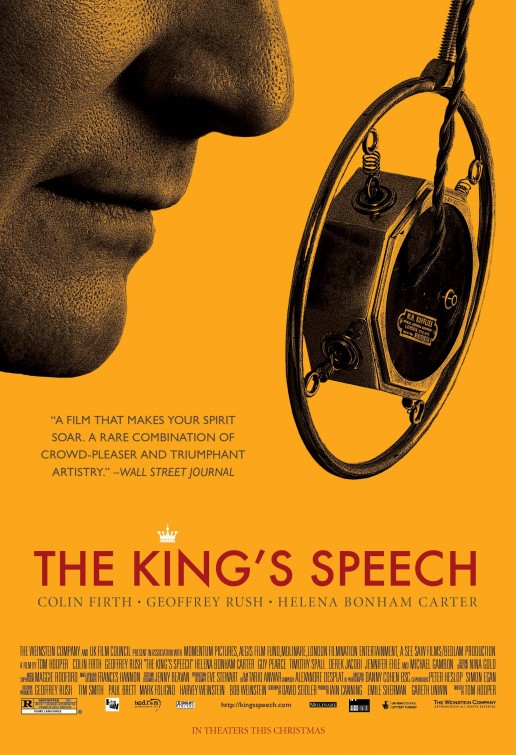
The one-liner summing up the story which appears on posters ("Same planet. Different scum" etc)
Teaser Trailer
A short trailer which does not give very much at all away about a film. It is designed to arouse curiosity and may appear a long time prior to the release of a movie (6-8 months)
Tie-ins Promotional campaigns (Happy Meals, car tvcs - you name it) where another company gets together with the film company and they promote their products jointly
Trailer
A 'sample' of the best points of a film which works to create awareness in audiences. Can be anything from 30-180 seconds long
Twitter bombing
Moviegoers now tend to tweet the moment they leave a theater, and the mass of their opinions can have an instant, harsh effect on ticket sales. This effect is noticed when early screenings on the opening day for an anticipated movie sell well, but later screenings are empty.
Viral
use of pre-existing social networks (E.g. YouTube) to "spread the word" about a movie. Like a virus, a short video clip can pass from one consumer to another. This UK Cadbury's advertising spot became a global viral phenomenon, thanks to YouTube.
Word-of-mouth
The general public attitude to a movie - what people tell each other about it. This is thought to be the most important ingredient for box office success
what marketing seeks to create - when audiences know something about the content of a film (stars, plot premise etc) and when it is going to be released
Buzz
Positive word-of-mouth
Distributor
Business entity that buys the rights to sell a film to the cinema, video and TV markets. All blockbuster movies are made with the distribution rights pre-sold or arranged as big studios have their own distribution arm. Smaller, or independently produced movies often have to wait till they are completed before anyone will buy the distribution rights
Exhibitor
Cinemas - usually large chains of cinemas (eg UA in Hong Kong, Cineworld or Odeon in the UK)
Merchandising
The process of manufacturing, distributing, licensing and sale of T-shirts, toys, posters, key-rings etc that contain characters or designs from a movie
Platform release A limited opening at key cinemas to develop word of mouth. Once a good buzz has been achieved, the movie will open at more cinemas (wide release)
Press kit
The pack given to journalists containing such things as still photos, press release, biographies of main personnel. Some press kits are unusual and inventive, and contain small gifts as a not-very-subtle persusasive tactice to get the journalist to be nice about the film
Primary Audience
The main target audience of a film, those who are likely to go and see it on its opening weekend, or even start queuing up six months before it is released
Secondary audience
The audience who will only go and see a movie after they have heard about it - either from friends or from reading reviews - and have been persuaded that it is worth seeing. They will not risk it on its opening weekend
Tagline
The one-liner summing up the story which appears on posters ("Same planet. Different scum" etc)
Teaser Trailer
A short trailer which does not give very much at all away about a film. It is designed to arouse curiosity and may appear a long time prior to the release of a movie (6-8 months)
Tie-ins Promotional campaigns (Happy Meals, car tvcs - you name it) where another company gets together with the film company and they promote their products jointly
Trailer
A 'sample' of the best points of a film which works to create awareness in audiences. Can be anything from 30-180 seconds long
Twitter bombing
Moviegoers now tend to tweet the moment they leave a theater, and the mass of their opinions can have an instant, harsh effect on ticket sales. This effect is noticed when early screenings on the opening day for an anticipated movie sell well, but later screenings are empty.
Viral
use of pre-existing social networks (E.g. YouTube) to "spread the word" about a movie. Like a virus, a short video clip can pass from one consumer to another. This UK Cadbury's advertising spot became a global viral phenomenon, thanks to YouTube.
Word-of-mouth
The general public attitude to a movie - what people tell each other about it. This is thought to be the most important ingredient for box office success